

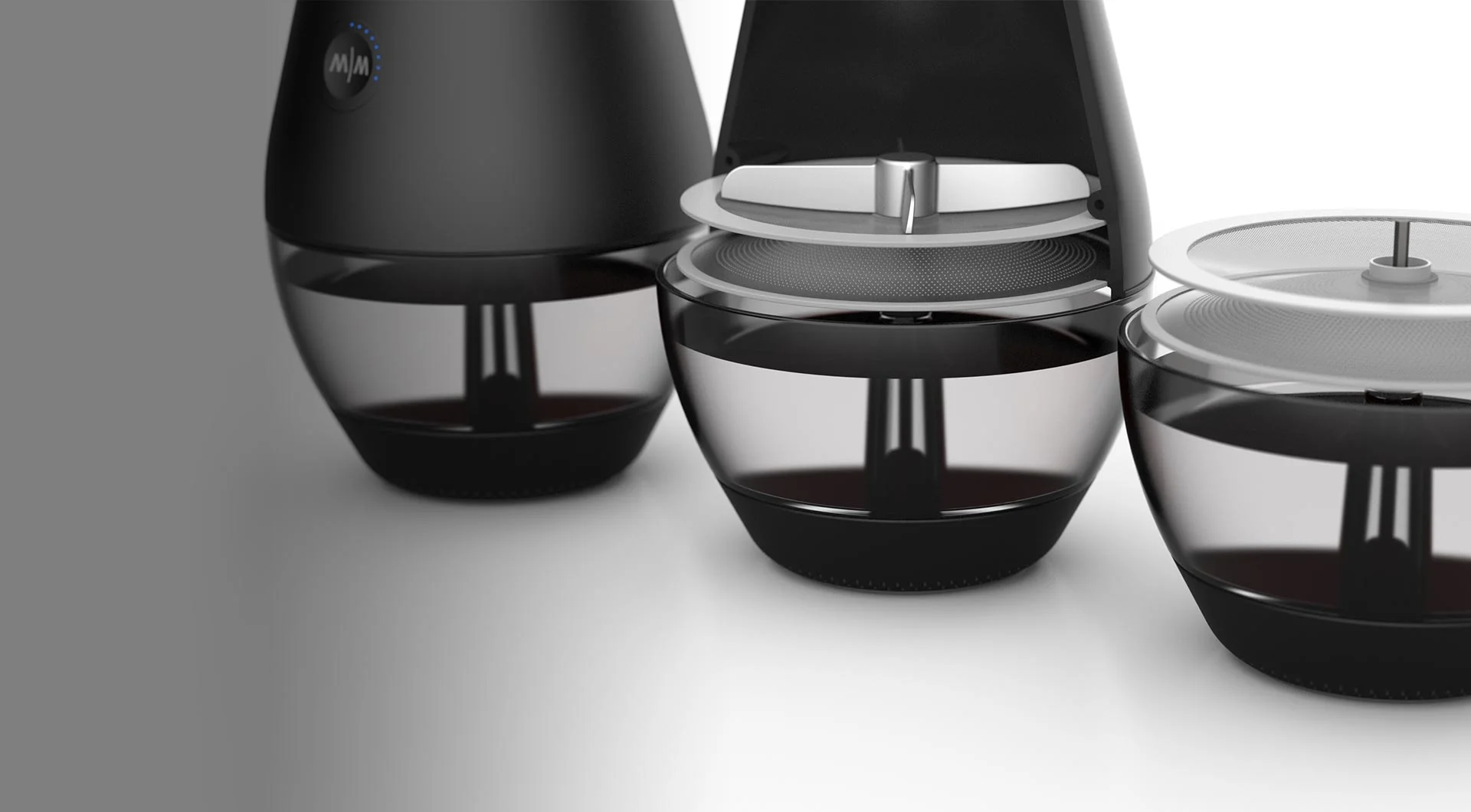
The Sodastream for winemaking...
The inventors of this device claim that it will revolutionise the winemaking industry. Called the 'Miracle Machine' this contraption literally turns water into wine (with a few additions), in around 3 days.

The inventors of this device claim that it will revolutionise the winemaking industry. Called the 'Miracle Machine' this contraption literally turns water into wine (with a few additions), in around 3 days.
We would probably argue that it never will replace winemaking as a profession, just like Nespresso hasn't caused a sudden loss of jobs in the barista market.
Check out the full article: The Miracle Machine uses the magic of science to turn water into wine for £1.20 a bottle
The inventors are looking at crowd funding this project so you could be one of the first miracle makers in your village!
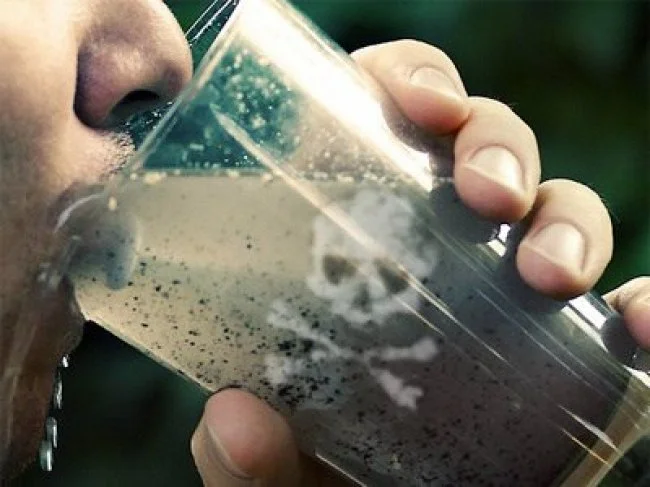
Good hygiene depends on high quality water.
A final rinse after cleaning and sanitising with low-quality water that contains bacteria, or is too hard for chemical to be effective could be putting your wine at risk when it doesn’t have to be. By using high quality water in your winery operations, you can minimise contamination risk, without significant financial expenditure. There are two principal considerations to take into account to assess water quality - water hardness and potability.
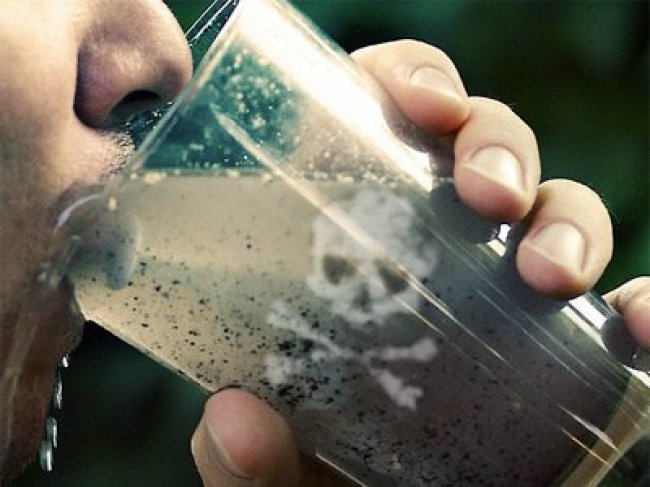
A final rinse after cleaning and sanitising with low-quality water that contains bacteria, or is too hard for chemical to be effective could be putting your wine at risk when it doesn’t have to be. By using high quality water in your winery operations, you can minimise contamination risk, without significant financial expenditure. There are two principal considerations to take into account to assess water quality - water hardness and potability.
As wine is a potable good, it is common sense to make sure that the water used in a winery is to a potable standard. If you are using rain water - it is important to make sure that there is no bacteria, yeast of microbes that are persisting in your tanks as this may impact your final rinse and your overall hygiene standards. You can treat your rainwater with filters which can dramatically improve water quality. High quality filtered water is essential for bottling lines and is useful to protect finished wines. Bore water should be treated with similar filtration methods so that you can maintain the highest possible hygiene standards in the winery.
Water hardness is a measure of the mineral content in water (hard water having a high mineral content). When water hardness is being quoted, the value being talked about is the ‘total permanent hardness’ of water, which is the amount of Calcium and Magnesium sulphates in water, but is expressed as an equivalent of Calcium Carbonate (CaCO3).
Let’s look at a practical example, say the Barossa Water System in South Australia. The total permanent water hardness in this system sits at 148 mg/L of CaCO3. According to the United States Geological Survey, this puts the water in the Barossa in the ‘Hard’ classification (between 121 and 180 mg/L is classified as ‘Hard’). While water hardness is not detrimental to health, it is definitely a negative in an industrial setting.
Firstly, the hard water is more corrosive, especially in galvanic corrosion. So using hard water decreases the useable life of your stainless components. Don’t forget that hard water also deposits scale on metals, which can clog up your pipes too. More importantly, hard water also reduces the effectiveness of your cleaning and sanitising chemicals.
Hard water has many free 2+ ions that combine with metal salts in hygiene chemicals to form soap scum. Essentially the minerals in the water reduce the surfactant properties of your cleaning and sanitising agents. This in turn reduces the rinsing properties of your solution. The surfactants role in cleaning agents is to keep surface tension in solution high, which keeps insoluble molecules suspended in solution so they can be washed away. If the reduction in surfactant properties is high enough, you will be left with deposits on your tank walls which will require further work (costing you time and money).
To combat hard water more chemical may be required. The use of additional chemical should be carefully considered, as there will be a flow on impact to your effluent. If water hardness is impacting the cleaning efficacy of your chemical to an extent where deposits are being left on your surfaces, it would be detrimental to simply leave the deposits on your stainless surfaces, as this would provide an excellent breeding ground for microbes such as Brettanomyces.
Most good industrial cleaning products should contain ingredients to counteract the effects of hard water, however if you live in a particularly ‘hard’ water area, such as our friends in the Barossa, then water softening could be a worthwhile investment. Water softening does come at a risk of higher Sodium or Potassium deposits in your soil, as they are the two main salts used to soften water (in ion transfer softening). However you want to treat hard water, it is worthwhile knowing what your water hardness level is, and then carefully consider the impact of treatment or additional chemical on your effluent.
By using potable water, and being aware of the hardness level of your water, you offer your cleaning chemicals the best opportunity to effectively clean your surfaces. As the saying goes, rubbish in equals rubbish out. So don’t start with rubbish water quality, otherwise you’ll get rubbish wine out.
References
Aquasafe systems (2005) Quality of Mains Water Assessed Against Water Quality Criteria, http://www.aquasafecanada.com/quality-of-mains-water-assessed-against-water-quality-criteria/, Accessed 2013-12-06
Wikipedia (2013) Hard Water, http://en.wikipedia.org/wiki/Hard_water, Accessed 2013-12-06
Wine opinion: why some aromas are better left out of the bouquet
"Unscrupulous winemakers still don't clean their equipment properly, and use bad fruit. So, as the saying goes, 'rubbish in, rubbish out.' But this wine still has to be sold."

"Unscrupulous winemakers still don't clean their equipment properly, and use bad fruit. So, as the saying goes, 'rubbish in, rubbish out.' But this wine still has to be sold."
You can read the whole article here. The point we like to take out of this is that while some bacteria and microbes are beneficial to your wine, others are not. We know, it's not revolutionary stuff, but the point of cleaning and hygiene is to control for the bad stuff, whilst still maintaining the good stuff.
Swapping stainless for concrete?
If you have been following our blog, you should have seen the post we put up earlier about natural wine. As a follow up, a new trend (or maybe anti-trend, it's so hipster) has been to use porous concrete wine vats, instead of the traditional stainless steel.

If you have been following our blog, you should have seen the post we put up earlier about natural wine. As a follow up, a new trend (or maybe anti-trend, it's so hipster) has been to use porous concrete wine vats, instead of the traditional stainless steel.
"It's about coming back to the beginning,” [Bartier] says. “To revolve back to what is correct and traditional is to go back to the original vessel for winemaking, earthen pots buried in the earth. This is not technology at all. It’s anti-technology."
For what it's worth, being "traditional" doesn't necessarily equate to being good, and that's something worth considering. If the quality is kept under control, there's no reason why concrete wine vats can't produce excellent quality wine. Then there's hygiene...
"The giant tanks are not lined with anything on the inside. The rough, stony surface is constantly in contact with the aging wine, and that surface is home to a world of yeast and bacteria."
If you understand what is going on in your tanks, and what strains of bacteria are present, then this may be beneficial to your final product. We like to think that as wine is a publicly consumed drink and that equates to maintaining high standards of hygiene so as to reduce negative contamination.
What are your thoughts? Keen to try some natural wine?
**Update**
So the boffins in the lab have said that you just need to treat the cleaning of your concrete eggs like you would your oak barrels. So if you wanted to keep your concrete vats clean, apply your oak cleaning regime to them! If you don't have an Oak Regime, then why not chat with us and we can help you develop a sustainable cleaning program for your concrete or oak vessels.